Added to Cart
×
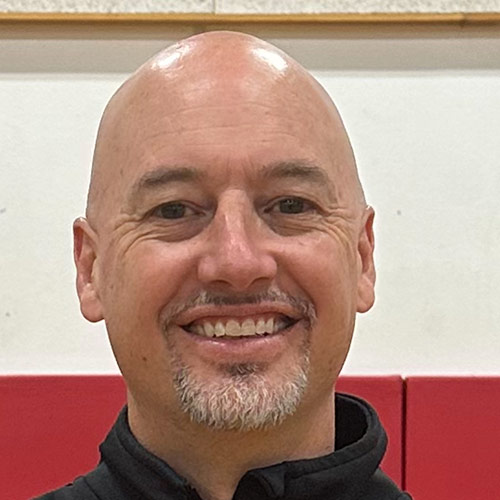
Shawn Jones
DIRECTOR, ATHLETICS
Shawn has 30 years of head basketball coaching experience combined with 11 years as an athletic director. He has coached in Colorado and Texas, and has taken teams to three Final Four tournaments and a state championship. He has seen numerous players of his continue on to compete at the college and professional level of the sport. He is also proud to have seen many of his athletes become high school and collegiate coaches themselves. As director of athletics, Shawn is a key member of Ballogy’s team, driving the company’s athletic strategy, partnerships, coach engagement, and product vision. He has been married to his high school sweetheart for 32 years and they have raised three wonderful children together. Shawn has a passion for player development and the desire to assist coaches with effective, time-saving tools of administering and assessing skill development drills.
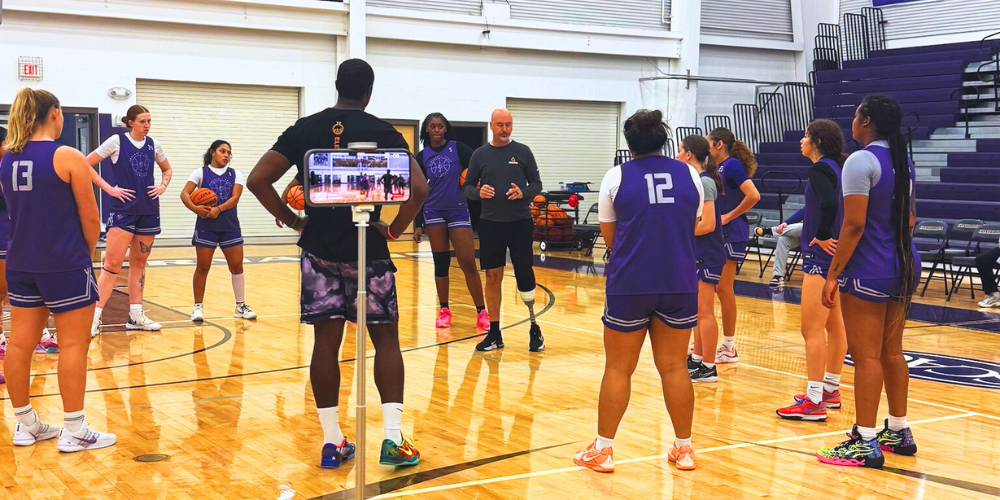
I’ve been an Athletic Director and Head Coach in Texas for 30 years. Balancing discipline and accountability in your program is like walking a rope 30 stories above the ground. You either find balance, or you fall.
Over the years, I’ve learned some valuable lessons about discipline. Some came easy. Others came the hard way. Here are a few takeaways.
Every program needs discipline and structure. It has to start with you and be reinforced by your team leaders. How strict that discipline looks depends largely on your personality and what you can live with. I’ve always leaned old school. No cursing. Everyone dressed alike on the floor. No headbands. No leg sleeves. Same-color team shoes. Always on time.
You may be fine with some personal flair. Arm sleeves. Leg sleeves. Neon shoes. That isn’t wrong. In fact, my 2001 State Championship team convinced me to allow headbands. During our 2024 State Championship run, I allowed different colored shoes. It tested my old spirit, but I adjusted. The key is not the specific rule. The key is consistency.
No matter how talented a player is, you cannot allow them to talk back or operate outside the structure of your program. It will erode your culture quickly. You can listen to players. You can invite their ideas. But leadership requires authority. At the end of the day, you must have the final word.
Do not become so focused on discipline that you lose the relationship. Players will follow almost anything you ask if they know you care about them. Without relationship, they will constantly test your rules. With it, they will protect them. Discipline and relationship must work together. Another key is communicating the “why.”
No rule feels unreasonable if there is a clear purpose behind it. When players understand why something matters, they are far more likely to buy in. If they don’t see value in it, enforcement becomes a constant battle. Explain the purpose. Connect it to something bigger than the moment.
Do not go lightly on being on time and consistently present. This life skill will serve your players longer than any offensive set or defensive scheme. Employers today will tell you the hardest thing to find is someone who shows up regularly and on time. Skills can be taught. Reliability is harder.
You can teach that. Teach your players to show up early. Teach them to be dependable. Teach them to be consistent. Those habits will outlast their playing days.