Added to Cart
×
Shawn Jones
DIRECTOR, ATHLETICS
Shawn has 30 years of head basketball coaching experience combined with 11 years as an athletic director. He has coached in Colorado and Texas, and has taken teams to three Final Four tournaments and a state championship. He has seen numerous players of his continue on to compete at the college and professional level of the sport. He is also proud to have seen many of his athletes become high school and collegiate coaches themselves. As director of athletics, Shawn is a key member of Ballogy’s team, driving the company’s athletic strategy, partnerships, coach engagement, and product vision. He has been married to his high school sweetheart for 32 years and they have raised three wonderful children together. Shawn has a passion for player development and the desire to assist coaches with effective, time-saving tools of administering and assessing skill development drills.
One thing I’ve always believed as a coach—athletes want to compete. It’s in them. Sometimes it’s loud and obvious, sometimes it’s buried a little deeper, but it’s there.
The question is whether we’re giving them the opportunity to bring it out every single day.
Too often, practice can slip into routine. We run drills, we go through reps, we check the boxes. There’s nothing wrong with structure—but if there’s no edge to it, no energy behind it, we can’t expect that competitive fire to magically show up on game day.
Competition isn’t something you turn on. It’s something you build.
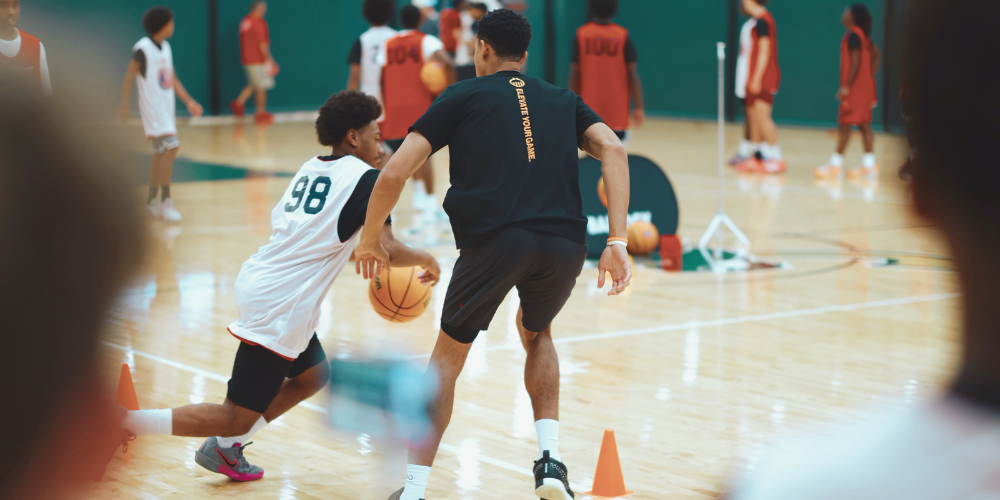
I’ve seen it over and over again—when you put a little score on something, everything changes. A simple box out drill becomes a battle. A shooting drill suddenly has meaning. Players start talking a little more, moving a little quicker, staying a little more locked in.
It doesn’t have to be complicated.
It can be as simple as, “Who got the most rebounds?”
“Who made the most game-speed shots in a minute?”
“Who finished the drill cleanest?”
Even when players are working out on their own, that same mindset matters. The best ones find ways to compete with themselves—pushing for one more make, one more rep, one more level of focus.
That’s where real player development starts to take shape.
Over time, I’ve also learned that competition becomes even more powerful when there’s a level of accountability attached to it. Not punishment—just purpose. When there’s something on the line, even something small, athletes tend to lean in a little more. They lock in. They care.
And honestly, that’s what we’re trying to build—players who care deeply about how they show up.
What’s been interesting lately is seeing how technology is starting to support that in a really natural way. With tools like Ballogy, players can track their workouts, see their progress, and understand their performance in a way that wasn’t always possible before.
With features like AI shot tracking and player development data, they’re not just guessing how they did—they can actually see it. How many shots they got up. Where they’re most effective. How consistent they’ve been over time. And maybe most importantly, how they stack up.
That’s where it gets fun.

Because once athletes can see the work—and see each other’s work—it tends to raise the level for everyone. It’s no longer just about getting through a workout. It becomes about improving, competing, and taking a little more ownership of the process.
And that’s where you start to see growth.
Not every athlete walks into the gym with that competitive edge fully developed. But I’ve seen plenty of players grow into it when they’re in the right environment—one where effort is noticed, improvement is visible, and competition is part of the culture.
That’s something we can create as coaches.
At the end of the day, basketball is competitive. Life is competitive. So it makes sense that the way we prepare should reflect that.
When athletes get used to competing in practice—really competing—it doesn’t feel different when the game starts. It feels familiar.
And that’s where confidence lives.