Added to Cart
×
Shawn Jones
DIRECTOR, ATHLETICS
Shawn has 30 years of head basketball coaching experience combined with 11 years as an athletic director. He has coached in Colorado and Texas, and has taken teams to three Final Four tournaments and a state championship. He has seen numerous players of his continue on to compete at the college and professional level of the sport. He is also proud to have seen many of his athletes become high school and collegiate coaches themselves. As director of athletics, Shawn is a key member of Ballogy’s team, driving the company’s athletic strategy, partnerships, coach engagement, and product vision. He has been married to his high school sweetheart for 32 years and they have raised three wonderful children together. Shawn has a passion for player development and the desire to assist coaches with effective, time-saving tools of administering and assessing skill development drills.
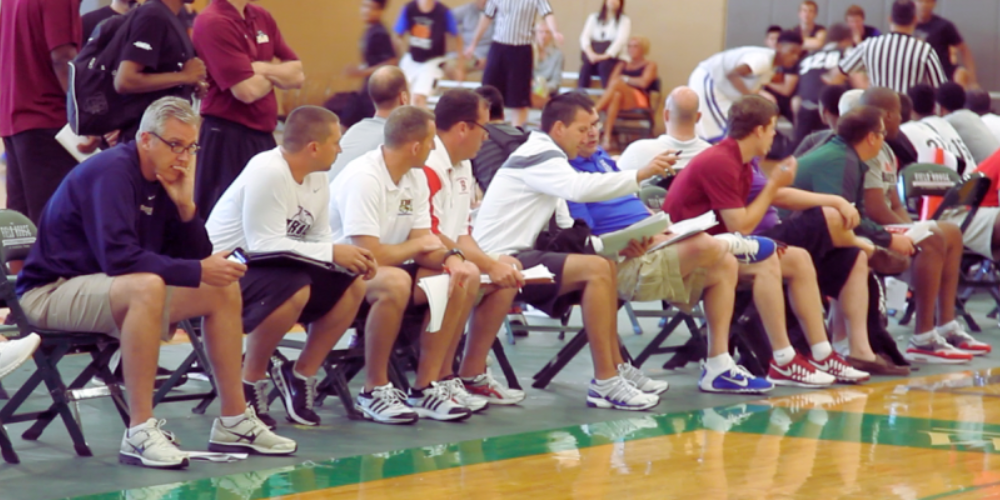
Whether you’re a high school or college coach, one challenge we all share is finding enough time to properly scout upcoming opponents. Today, let’s look at practical approaches to scouting — both live and recorded — that help you stay efficient without sacrificing thoroughness.
Live scouting is the toughest. There’s no replay. No rewind. Everything happens in real time. You may only get to see a team once before playing them, and the quality of their opponent can heavily influence what you observe.
That said, here’s a streamlined approach that helps you get a solid scout, even if you’re doing it alone.
Keep it simple. Observe. Capture patterns.
Recorded scouting gives you the advantage of slowing the game down. Using the same framework as live scouting, you can break film into three focused viewings to improve both efficiency and depth.
Every coach has their own style and method of scouting. This guide isn’t meant to be perfect or universal. But if you’re looking for a more organized, focused approach, this framework can help.Too many coaches try to “see it all” in one viewing and end up missing the details that truly matter. Try this structure the next time you scout. See if it sharpens your focus and saves you time.
Short on time while scouting or preparing? Use the Ballogy AI Assistant as a second set of eyes. Ask it about offensive adjustments, defensive coverages, or player development ideas — and let it generate actionable insights you can apply immediately.
It’s like having another coach in the room. Explore more great Ballogy features.