Added to Cart
×
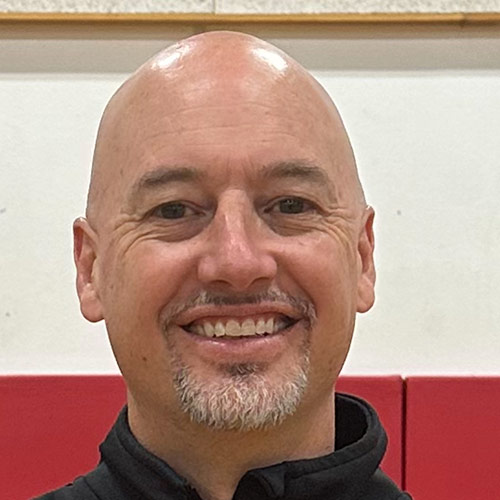
Shawn Jones
DIRECTOR, ATHLETICS
Shawn has 30 years of head basketball coaching experience combined with 11 years as an athletic director. He has coached in Colorado and Texas, and has taken teams to three Final Four tournaments and a state championship. He has seen numerous players of his continue on to compete at the college and professional level of the sport. He is also proud to have seen many of his athletes become high school and collegiate coaches themselves. As director of athletics, Shawn is a key member of Ballogy’s team, driving the company’s athletic strategy, partnerships, coach engagement, and product vision. He has been married to his high school sweetheart for 32 years and they have raised three wonderful children together. Shawn has a passion for player development and the desire to assist coaches with effective, time-saving tools of administering and assessing skill development drills.
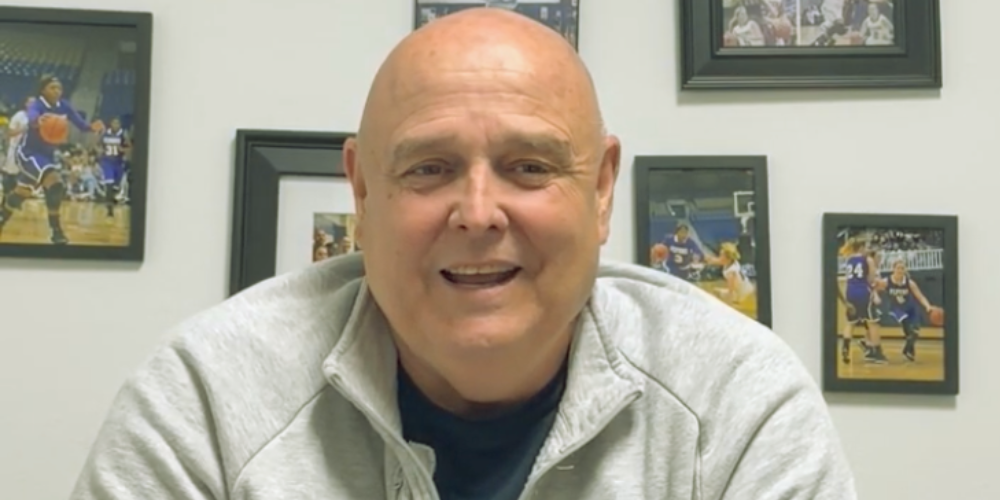
I’ve only known legendary Texas high school coach Gary Grahn for a few years, but I didn’t need long to know he means business.
Competing against him will do that.
He’s as no-nonsense as they come. No gimmicks. No shortcuts. Just work. His teams reflect it too. Tough, disciplined, and prepared. When you’ve coached teams to multiple State Championship runs, you earn the right to keep things simple and expect results.
For a couple of years, we saw a lot of each other. Same classification, same district, both with teams trying to make a run through Regionals. We battled enough that it ended up dead even at 3–3.
But what stuck with me wasn’t the record. It was how similar we were. We both valued the little things. We both demanded effort. And we both leaned into that old-school, competitive edge that doesn’t apologize for expecting more from players. Fast forward to today, and one of the things I respect most about Coach Grahn is that even with all his success, he’s still looking for ways to get better. That’s not always the case with veteran coaches.
One of the smartest moves he made was bringing his son Brett onto the staff. Brett was a strong player himself, but what he brings now is a different lens. He understands the game the same way his dad does, but he’s also comfortable with the technology and data that today’s athletes connect with. It’s been a natural balance.
You’ve got Gary’s experience, instincts, and philosophy, paired with Brett’s ability to use tools that support player development, accountability, and tracking progress. It’s not replacing coaching. It’s supporting it. Every coach is chasing the same thing. That one edge. Not something flashy. Just something that helps your players get a little better than the team across from you.
For years, we’ve all known where that edge usually comes from. It’s what players do outside the gym. The extra shots. The extra time. The work you can’t always see or control. That’s where things have started to change.
With tools like Ballogy and its AI shot tracking, coaches like Brett can now see what used to be invisible. They can track workouts, monitor progress, and create a level of accountability that used to rely almost entirely on trust. In just five weeks, their players logged over 30,000 shots. That doesn’t come from practice time. That comes from players choosing to invest in themselves. And once you add a leaderboard to that, it doesn’t take long for it to turn into competition.
That part never changes. Here’s what also hasn’t changed. Coaches still can’t do the work for their players. Gary can draw up the sets. Brett can bring in the tools. But neither one can take the shots.
That part has always belonged to the athlete. I’ve said it for years. If a player only gets the shots I can give them in practice, they’re never going to become a great shooter. And I’ve always believed we got a lot of shots up.
But it’s still not enough. The separation happens in those extra reps. The time when it’s just a player, a ball, and a hoop. What’s different now is that those reps don’t have to go unseen.
Whether Gary eventually hands things off to Brett, or Brett builds his own program somewhere else, I don’t think there’s much doubt about what the future looks like. They both understand what it takes.
And now they’re combining experience with tools that reinforce the habits every coach is trying to build anyway. Effort. Consistency. Accountability.
As someone who’s been on the other side of the court, I can tell you this. Playing a Grahn-coached team is never easy. And when you add a roster that’s motivated, competing, and putting in that kind of work behind the scenes, it’s only going to get tougher.